
There’s a special kind of anticipation that comes with fall planting. You tuck bulbs into the soil when the days are getting shorter and the air turns crisp, trusting that months from now, they’ll deliver the first signs of spring. And when they do, it feels like your garden is putting on a show just for you.
In south-central Pennsylvania (zones 6b and 7a), the show can last far longer than a quick cameo. With the right mix of bulbs, your garden can bloom in waves from March through early June—a true spring showcase, with each set of flowers stepping on stage in perfect order.
Setting the Stage: Early Bloomers
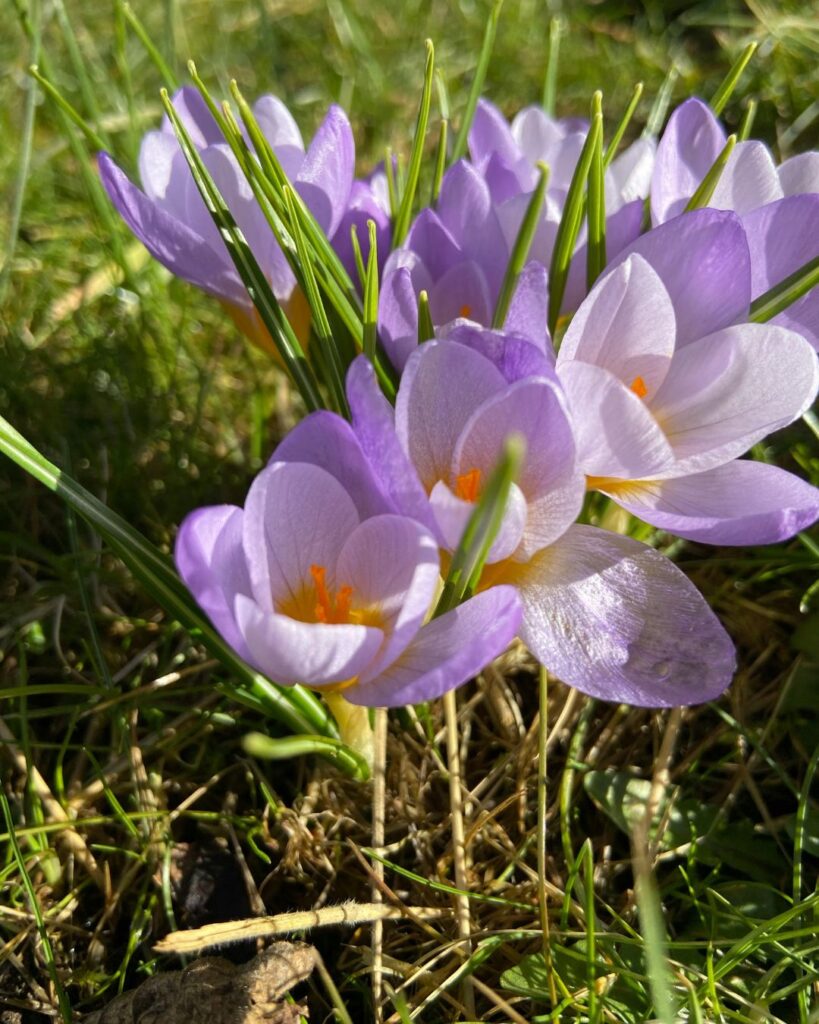
Think of your garden as a theater production. The early bloomers are the opening act, brave enough to push through late snow and cold soil. Crocuses are usually the first, bringing little purple and yellow pops of cheer. Snowdrops arrive next with their delicate white bells, and winter aconite follows with sunny yellow clusters that spread into cheerful carpets.
The Main Show: Mid-Season Color
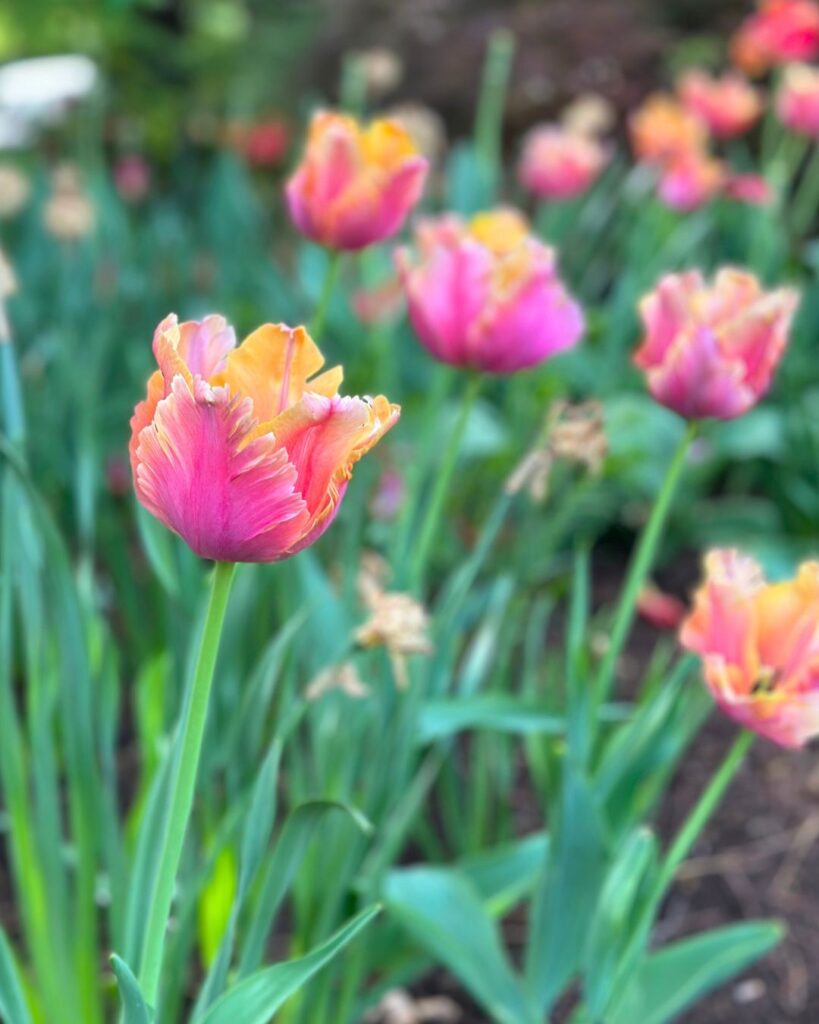
By April, the garden shifts gears. This is when the classics shine—tulips in every imaginable color, reliable daffodils that deer won’t touch, and fragrant hyacinths that beg to be planted near a door or walkway. Smaller bulbs like scilla and glory-of-the-snow add a painterly sweep of blue to borders and beds. This is the moment where your spring garden feels alive, lush, and unmistakably vibrant.
The Encore: Late Bloomers
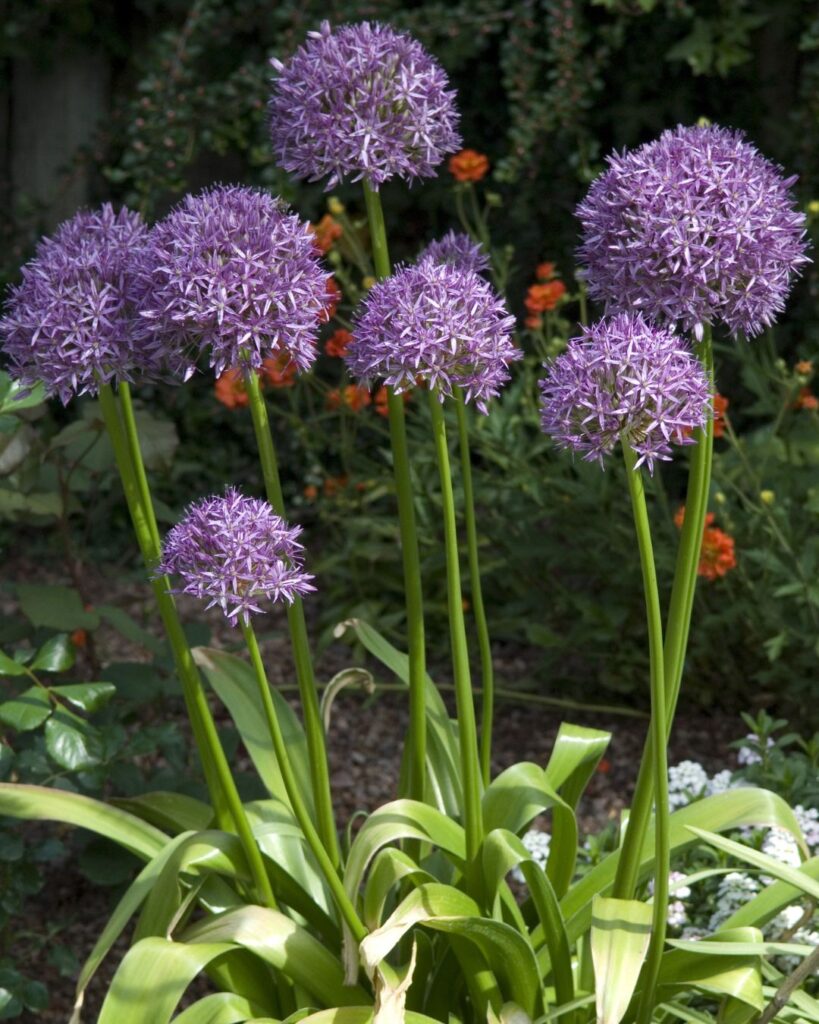
Just as the rest of the yard begins to fade, late bloomers step in to keep the show going. Tall alliums add drama with their purple orbs, camassia brings starry blue flowers to wetter spots, and Darwin hybrid tulips deliver height and color when you thought tulip season had ended. With these in place, your garden carries energy well into June.
Where to Plant for the Best Impact
- Under trees: Early crocus and snowdrops thrive here, followed by daffodils and tall alliums that hover above the fading foliage.
- Front yard borders: Mix low growers like winter aconite with tulips and hyacinths for high-visibility color.
- Garden beds: Try “bulb lasagna.” Plant alliums deep, tulips mid-level, and crocus on top—all in one hole—for blooms at different times in the same space.
- Naturalized areas: Large drifts of daffodils or camassia create a meadow-like effect that feels effortless and wild.
Pairing Bulbs with Perennials
Here’s one of the best tricks: bulbs look their best when paired with perennials. Hostas, daylilies, and hardy geraniums leaf out just as bulb foliage starts to flop, hiding the mess and giving your garden a polished finish.
The Takeaway
Planting bulbs in the fall takes just a little effort now, but it rewards you with weeks of color and joy when you need it most. With thoughtful planning—layering early, mid, and late bloomers—you can create a spring garden that feels like a season-long celebration.
If you’re ready to design your own spring showcase, our team would love to help. Contact Eshelman Mill Gardens & Landscapes, and let’s plant the bulbs now that will bring your garden to life next year.
